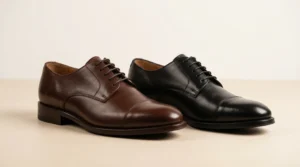
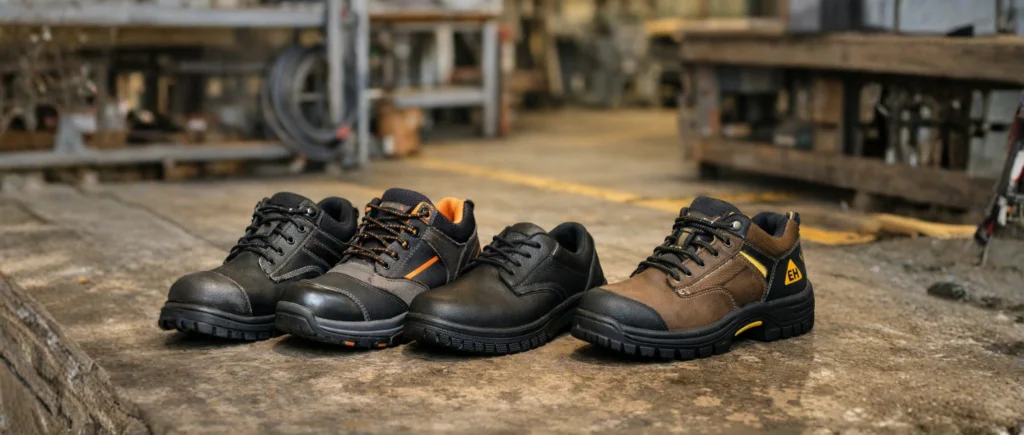
Safety shoes are not just part of a uniform — they are a critical piece of personal protective equipment (PPE) that can prevent serious workplace injuries. Whether you work in construction, manufacturing, warehouses, factories, oil & gas, or even logistics, choosing the right safety shoes can mean the difference between a minor accident and a life-changing injury.
This Safety Shoes Guide: Types & Uses will help you understand different types of safety footwear, where to use them, what features matter, and how to choose the right pair based on your job role. If you’re an employer, safety officer, or worker looking to invest in reliable protective footwear, this guide is for you.
Why Safety Shoes Are Important in the Workplace
Every year, thousands of workplace injuries involve feet — crushed toes, puncture wounds, chemical burns, slips, and electrical shocks.
Proper safety shoes protect against:
- Falling objects
- Sharp objects on the ground
- Slippery surfaces
- Electrical hazards
- Chemical spills
- Extreme heat or cold
In high-risk industries, wearing safety footwear is not optional — it’s mandatory.
Main Types of Safety Shoes & Their Uses
Understanding the different types of safety shoes helps you choose the right protection for your work environment.
1. Steel Toe Safety Shoes
Steel toe shoes are the most common type of protective footwear.
Best for:
- Construction sites
- Heavy manufacturing
- Warehouses
- Metal fabrication
Features:
- Reinforced steel cap in toe area
- Protects against heavy falling objects
- High impact resistance
Pros:
- Maximum toe protection
- Durable and long-lasting
Cons:
- Slightly heavier
- Can feel cold in winter
Steel toe safety shoes are ideal when there’s a risk of heavy materials falling on your feet.
2. Composite Toe Safety Shoes
Composite toe shoes use non-metal materials like Kevlar, carbon fiber, or plastic instead of steel.
Best for:
- Electrical work
- Airport security areas
- Jobs requiring metal-free footwear
Features:
- Lightweight
- Non-conductive
- Do not trigger metal detectors
Pros:
- Comfortable for long hours
- Better insulation in cold weather
Cons:
- Slightly bulkier toe design
If comfort and electrical safety matter, composite toe safety shoes are a better choice.
3. Alloy Toe Safety Shoes
Alloy toe shoes use lightweight metals like aluminum or titanium.
Best for:
- Industrial environments
- Workers who want lighter alternatives to steel
Features:
- Lighter than steel
- Strong protection
Pros:
- Slimmer design
- More comfortable for daily use
Cons:
- Slightly more expensive
They offer a balance between strength and comfort.
4. Slip-Resistant Safety Shoes
Slips and falls are among the most common workplace accidents.
Best for:
- Restaurants
- Hospitals
- Warehouses
- Factories
Features:
- Anti-slip rubber soles
- Enhanced grip patterns
These shoes are essential in environments with oil, water, or chemical spills.
5. Puncture-Resistant Safety Shoes
Designed for environments with sharp debris.
Best for:
- Construction
- Scrap yards
- Carpentry workshops
Features:
- Steel or Kevlar midsole
- Protects against nails and sharp objects
If your workplace has loose metal scraps or nails, puncture-resistant safety shoes are necessary.
6. Electrical Hazard (EH) Safety Shoes
Electrical safety shoes prevent electric shock.
Best for:
- Electricians
- Power plant workers
- Maintenance technicians
Features:
- Non-conductive soles
- Insulated construction
Important: They protect against open circuits, not standing water.
7. Heat-Resistant Safety Shoes
These shoes are built for high-temperature environments.
Best for:
- Foundries
- Welding
- Steel plants
Features:
- Heat-resistant outsole
- Flame-resistant materials
Safety Shoes Types Comparison Table
| Type of Safety Shoes | Protection Level | Best For | Weight | Electrical Protection |
|---|---|---|---|---|
| Steel Toe | Very High | Construction | Heavy | No |
| Composite Toe | High | Electrical Work | Light | Yes |
| Alloy Toe | High | Industrial Jobs | Medium | No |
| Slip-Resistant | Moderate | Wet Surfaces | Light | No |
| Puncture-Resistant | High | Construction | Medium | No |
| EH Safety Shoes | High | Electricians | Light | Yes |
| Heat-Resistant | High | Welding | Medium | No |
How to Choose the Right Safety Shoes
Selecting the right safety shoes depends on multiple factors:
1. Understand Your Workplace Hazards
Ask:
- Is there risk of falling objects?
- Are floors slippery?
- Is electricity involved?
- Are sharp objects common?
2. Check Safety Standards
Look for certifications like:
- ISI (India)
- ASTM
- CE
Certified safety shoes meet tested protection standards.
3. Consider Comfort for Long Hours
Many workers stand 8–12 hours daily.
Look for:
- Cushioned insoles
- Breathable upper
- Arch support
- Shock absorption
Uncomfortable shoes lead to back pain, knee strain, and fatigue.
4. Fit Matters More Than Brand
Common mistake: Buying tight shoes thinking they’ll loosen up.
Tips:
- Leave thumb-width space at toe
- Wear work socks during fitting
- Walk for a few minutes before buying
Common Mistakes to Avoid When Buying Safety Shoes
- Choosing style over protection
- Ignoring workplace requirements
- Buying wrong size
- Not checking sole grip
- Avoiding certified products
Safety shoes are protective equipment — not fashion footwear.
Benefits of Wearing Proper Safety Shoes
- Prevent serious foot injuries
- Reduce workplace accidents
- Improve productivity
- Increase comfort during long shifts
- Ensure compliance with safety regulations
Investing in the right safety footwear reduces long-term medical expenses and downtime.
How Long Do Safety Shoes Last?
On average:
- 6–12 months in heavy-duty jobs
- 1–2 years in moderate work environments
Replace immediately if:
- Sole is worn out
- Toe cap exposed
- Stitching damaged
- Sole separation visible
Are Expensive Safety Shoes Worth It?
Not always — but quality matters.
Higher-priced safety shoes often provide:
- Better cushioning
- Durable sole
- Stronger materials
- Improved comfort
Cheap safety shoes may save money upfront but cost more in replacements and injuries.
Who Should Wear Safety Shoes?
- Construction workers
- Factory workers
- Electricians
- Warehouse staff
- Delivery professionals
- Mechanics
- Welders
- Mining workers
If your job involves physical risk to feet, safety shoes are essential.
Frequently Asked Questions (FAQs)
1. What is the difference between steel toe and composite toe safety shoes?
Steel toe uses metal for protection, while composite toe uses non-metal materials. Composite is lighter and electrical-friendly.
2. Are safety shoes mandatory in India?
Yes, in many industrial sectors, safety shoes are mandatory under workplace safety regulations.
3. Can I use safety shoes for daily casual wear?
They can be used casually, but they are designed for protection, not lifestyle comfort.
4. How tight should safety shoes be?
They should fit snugly but not tight. Your toes should move comfortably.
5. Do safety shoes prevent electric shock?
Only Electrical Hazard (EH) rated safety shoes provide protection.
6. Are lightweight safety shoes safe?
Yes, if certified. Composite and alloy toe options offer lighter yet strong protection.
7. How do I maintain safety shoes?
Clean regularly, dry properly, avoid extreme moisture, and inspect for damage.
Conclusion
Choosing the right safety shoes is not just about compliance — it’s about protecting your health and livelihood. From steel toe to composite toe, slip-resistant to electrical hazard models, each type of safety footwear serves a specific purpose.
Before buying, assess your workplace risks, prioritize certified protection, ensure proper fit, and don’t compromise on comfort. The right pair of Safety shoes improves performance, reduces injury risk, and ensures long-term safety at work.
If you’re planning to buy safety shoes, evaluate your job environment carefully and choose protection that matches your daily hazards.