Summer heat changes everything — especially when it comes to footwear. If you’ve ever taken off your shoes after a long day and noticed an unpleasant odor, you already understand the struggle. Choosing shoes that don’t smell in summer is not just about comfort; it’s about hygiene, confidence, and long-term foot health.
During hot months, sweat production increases significantly. When moisture gets trapped inside poorly ventilated footwear, bacteria multiply quickly, leading to odor, discomfort, and sometimes fungal infections. The solution isn’t just deodorizing sprays — it’s selecting the right materials, construction, and design.
This guide will help you understand how to choose summer shoes that stay fresh, comfortable, and durable even during long hours of daily wear.
Why Shoes Smell More in Summer
Your feet have thousands of sweat glands. In high temperatures:
- Sweat production increases
- Humidity prevents evaporation
- Closed shoes trap heat
- Synthetic linings hold moisture
Sweat itself is odorless. The smell occurs when bacteria break down sweat in a warm, moist environment. That’s why breathability and moisture control are critical.
What Makes Shoes That Don’t Smell in Summer?
To prevent odor, your footwear must support airflow, comfort, and hygiene. Here’s what to look for:
1. Breathable Upper Material
Mesh fabrics, perforated leather, and natural materials allow air circulation, reducing sweat buildup.
2. Moisture-Wicking Lining
Inner linings that absorb and release moisture help keep feet dry during long hours.
3. Removable Insoles
Being able to remove insoles allows proper drying and cleaning.
4. Lightweight Construction
Heavy materials trap heat. Lightweight designs reduce sweating.
5. Anti-Microbial Treatment
Some modern shoes include odor-resistant treatments to prevent bacterial growth.
Best Shoes That Don’t Smell in Summer
Breathable Casual Shoes for Daily Wear
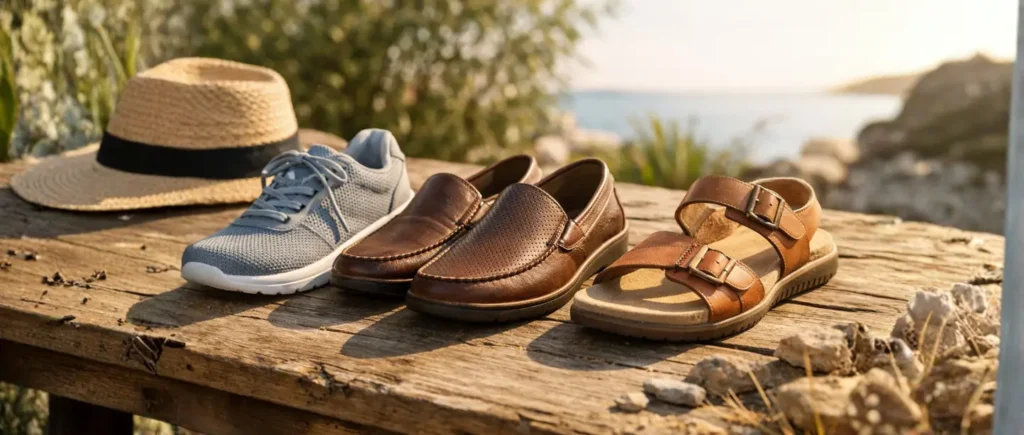
For college, commuting, and everyday use, well-ventilated Casual Shoes are ideal. Look for:
- Mesh or knit uppers
- Cushioned insoles
- Flexible sole grip
- Lightweight design
These provide comfort during long walks while maintaining airflow. If you’re on your feet 6–8 hours daily, breathability matters more than heavy styling.
Open Sandals for Maximum Airflow
When it comes to summer comfort, Sandals are one of the best options. Open designs allow sweat to evaporate quickly.
They are ideal for:
- Casual outings
- Daily errands
- Hot, humid climates
For women especially, well-cushioned Sandals with arch support offer a balance between styling and foot support.
Loafers for Semi-Formal Comfort
If your workplace requires a polished look but you want breathability, Loafers made with suede or perforated leather are excellent choices.
They offer:
- Slip-on convenience
- Better airflow than heavy dress shoes
- Comfort for office wear
Avoid fully synthetic loafers during summer — they tend to trap heat and moisture.
Lightweight Formal Shoes for Office Wear
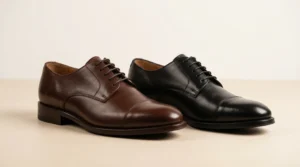
Professionals who spend long hours in closed footwear should choose breathable Formal Shoes made from genuine leather.
Look for:
- Soft leather uppers
- Moisture-absorbing lining
- Cushioned footbeds
- Flexible sole grip
High-quality leather naturally allows air exchange, reducing odor compared to synthetic materials. For 8–10 hour workdays, proper foot support and breathability are essential.
Summer-Ready Safety Shoes for Work Environments
People working in industrial settings often struggle with heavy footwear. Modern Safety Shoes now come with:
- Mesh ventilation panels
- Sweat-absorbing lining
- Lightweight composite toe options
These are especially helpful for construction workers and warehouse employees who need durability without excessive heat buildup.
Boots in Summer – Choose Carefully
Traditional heavy Boots can trap heat and increase sweating. However, if boots are necessary for work or style, choose:
- Lightweight ankle-length versions
- Breathable lining
- Soft leather instead of thick synthetic
Women’s Boots for summer should ideally be perforated or suede to improve airflow.
Material Comparison Table for Odor Control
| Material Type | Breathability | Odor Control | Durability | Best For |
|---|---|---|---|---|
| Mesh Fabric | Excellent | High | Medium | Daily wear |
| Genuine Leather | Good | Moderate | High | Office wear |
| Synthetic Leather | Low | Low | Medium | Short-term use |
| Suede | Good | Moderate | Medium | Casual outings |
| EVA Sandals | Excellent | High | Medium | Outdoor summer use |
Common Mistakes That Cause Shoe Odor
Even the best shoes can develop odor if misused. Avoid these mistakes:
- Wearing the same pair daily without rotation
- Storing shoes in closed cabinets while damp
- Ignoring insole cleaning
- Wearing thick socks in humid weather
- Choosing low-quality synthetic materials
Rotating between two pairs allows each pair to dry completely, significantly reducing bacterial growth.
Practical Tips to Keep Shoes Fresh
- Let shoes air-dry after use
- Remove insoles overnight
- Use moisture-absorbing foot powder
- Wear moisture-wicking socks
- Store shoes in ventilated areas
- Avoid direct sunlight for leather shoes
Small maintenance habits improve durability and comfort.
Foot Health & Comfort Considerations
Shoes that don’t smell in summer should also provide:
- Proper arch support
- Shock-absorbing cushioning
- Stable sole grip
- Flexible construction
Poor-quality footwear may prevent odor temporarily but cause foot pain, blisters, and posture issues over time.
Comfort should never be compromised for appearance.
Pros & Cons of Breathable Summer Shoes
Pros
✔ Reduced odor
✔ Better airflow
✔ Improved comfort during long hours
✔ Lower risk of fungal infection
Cons
✖ Mesh may wear out faster
✖ Open designs provide less protection
✖ Premium breathable materials may cost more
The key is balancing durability with comfort and daily wear requirements.
How to Choose the Right Pair for Your Lifestyle
Ask yourself:
- How long do I wear shoes daily?
- Is my workplace indoor or outdoor?
- Do I sweat heavily?
- Do I need formal styling or casual comfort?
For office environments, lightweight Formal Shoes with breathable lining are ideal.
For travel and daily commuting, airy Casual Shoes offer flexibility.
For extreme heat, open Sandals provide unmatched ventilation.
For industrial work, breathable Safety Shoes ensure protection without excessive sweating.
FAQs
1. Why do my shoes smell even after washing?
Odor-causing bacteria may remain in the insole or inner lining. Consider replacing insoles.
2. Are leather shoes better than synthetic for summer?
Yes. Genuine leather offers better breathability and moisture control.
3. Do socks help reduce odor?
Yes. Moisture-wicking socks reduce sweat buildup significantly.
4. How often should I rotate shoes?
Ideally every 1–2 days to allow proper drying.
5. Are sandals better than closed shoes in summer?
For airflow, yes. However, they provide less protection than closed shoes.
6. Do anti-odor sprays permanently fix the problem?
No. They offer temporary relief but don’t eliminate moisture buildup.
Conclusion
Choosing shoes that don’t smell in summer is about smart material selection, proper ventilation, and daily maintenance. Breathable design, moisture control, and cushioning play a major role in keeping your feet fresh during long hours.
Whether you prefer Casual Shoes for daily wear, Sandals for maximum airflow, Loafers for semi-formal styling, Formal Shoes for office environments, Boots for specific needs, or protective Safety Shoes for work — the right choice ensures comfort, durability, and odor-free confidence all summer long.
When your footwear supports your lifestyle and foot health, staying fresh becomes effortless.