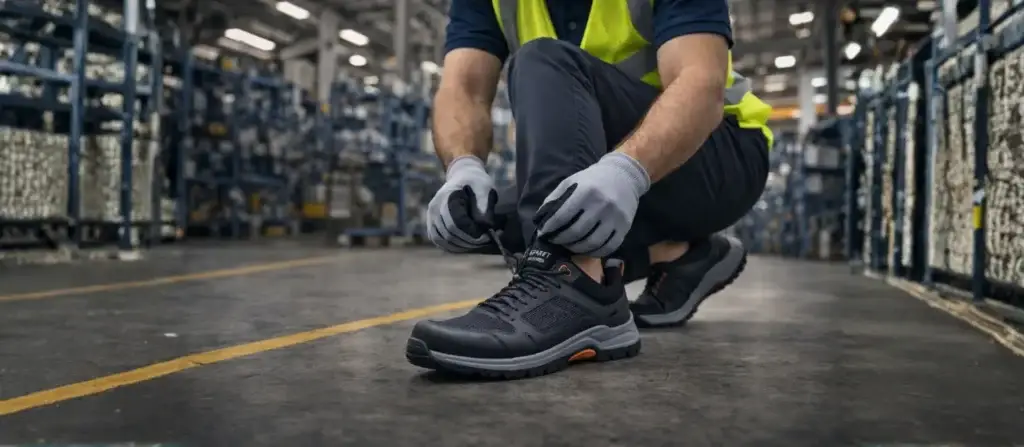
When your job demands standing, walking, or moving for extended hours, lightweight safety shoes for long duty are not optional, they are essential. Heavy, rigid footwear leads to fatigue, joint strain, and reduced productivity. The right pair combines protection, comfort, and durability without weighing you down. This guide is for professionals in construction, manufacturing, warehousing, security, and fieldwork who need reliable footwear for long shifts.
Why Lightweight Safety Shoes Matter for Long Hours
Traditional safety footwear often prioritizes protection at the cost of comfort. That trade-off no longer holds. Modern designs focus on reducing weight while maintaining safety standards.
Key Benefits
- Reduced fatigue: Less weight means less strain on legs and lower back
- Improved mobility: Easier movement during long shifts
- Better productivity: Comfort directly affects performance
- Enhanced foot health: Reduced pressure prevents long-term issues
Key Features to Look for in Lightweight Safety Shoes
Choosing the wrong pair defeats the purpose. Focus on these technical aspects:
1. Lightweight Toe Protection
- Composite toe or alloy toe instead of traditional steel
- Meets safety standards without excess weight
- Does not conduct heat or cold
2. Cushioning and Shock Absorption
- EVA or PU midsoles
- Memory foam or gel insoles
- Essential for long-duty environments
3. Breathability
- Mesh or knitted uppers
- Moisture-wicking lining
- Prevents sweating and odor buildup
4. Sole Grip and Slip Resistance
- Anti-slip rubber outsole
- Deep tread patterns
- Oil and chemical resistance
5. Ergonomic Design
- Arch support
- Flexible construction
- Proper ankle alignment
For professionals working in varied environments, exploring options like Safety Shoes designed specifically for industrial settings helps narrow down reliable choices.
Types of Lightweight Safety Shoes for Different Work Environments
Not all workplaces demand the same features. Match your footwear to your environment.
Industrial and Construction Sites
- Composite toe protection
- Thick anti-puncture sole
- Durable outer material
Warehouse and Logistics
- Lightweight design
- Slip-resistant sole
- Breathable upper
Corporate and Hybrid Workspaces
- Formal appearance with safety features
- Comfortable for long office hours
- Consider structured Formal Shoes with added protection
Outdoor and Field Work
- Water-resistant material
- Strong grip
- High ankle support like durable Boots
Lightweight Safety Shoes vs Traditional Safety Shoes
| Feature | Lightweight Safety Shoes | Traditional Safety Shoes |
|---|---|---|
| Weight | Low | Heavy |
| Comfort for long hours | High | Moderate to Low |
| Flexibility | High | Rigid |
| Breathability | Excellent | Limited |
| Fatigue impact | Minimal | Significant |
| Protection level | High (modern materials) | High |
Materials That Make a Difference
Material selection directly impacts performance and comfort.
Upper Material
- Mesh: Maximum breathability
- Leather: Durability with moderate flexibility
- Synthetic knit: Lightweight and flexible
Midsole
- EVA for lightweight cushioning
- PU for durability and support
Outsole
- Rubber for grip
- TPU for flexibility and strength
Real-World Use Cases
Case 1: Warehouse Worker
A worker walking 10–12 km daily benefits from lightweight shoes with shock absorption and breathable mesh. Heavy shoes would lead to foot pain within days.
Case 2: Security Personnel
Standing for long hours requires excellent cushioning and arch support. In such cases, alternatives like comfortable Casual Shoes with safety features may also be suitable.
Case 3: Construction Worker
Needs protection without sacrificing movement. Composite toe Boots with anti-slip soles offer the right balance.
Common Mistakes to Avoid
- Choosing weight over safety: Lightweight does not mean unsafe
- Ignoring fit: Poor fit causes blisters and long-term damage
- Skipping breathability: Leads to sweat and infections
- Buying cheap materials: Reduces lifespan and protection
Tips for Maximum Comfort During Long Duty
- Rotate between two pairs to reduce wear
- Use cushioned insoles for extra support
- Keep feet dry with moisture-wicking socks
- Replace shoes before sole wear compromises grip
Pros and Cons of Lightweight Safety Shoes
Pros
- Comfortable for extended wear
- Reduces fatigue and injury risk
- Modern design and styling
- Better airflow and hygiene
Cons
- Slightly higher cost
- May wear faster if low-quality
- Not all models suit extreme environments
How to Choose the Right Pair
Step-by-Step Buying Guide
- Assess your work environment
- Check safety requirements
- Prioritize comfort features
- Test flexibility and weight
- Evaluate sole grip and durability
For those needing easy slip-on convenience, certain Loafers with safety features are also emerging as practical options in light-duty workplaces.
Foot Health Considerations
Ignoring footwear quality leads to long-term issues:
- Plantar fasciitis
- Knee and back pain
- Joint stress
Lightweight safety shoes with proper cushioning and arch support significantly reduce these risks.
For hot climates or less hazardous environments, breathable Sandals with protective features can also serve as alternatives for specific roles.
FAQs
1. Are lightweight safety shoes as strong as steel-toe shoes?
Yes, modern composite materials provide equal protection while reducing weight.
2. How long do lightweight safety shoes last?
Typically 6–12 months depending on usage and environment.
3. Can I use them for outdoor work?
Yes, but choose models with water resistance and strong grip.
4. Are they suitable for standing all day?
Yes, especially those with proper cushioning and arch support.
5. Do lightweight safety shoes reduce fatigue?
Significantly. Reduced weight lowers strain on legs and back.
6. Are they expensive?
Mid to high range, but worth it due to comfort and durability.
7. Can women use lightweight safety shoes?
Yes, many brands offer specialized designs for women, including protective Boots and Sandals.
Conclusion
Lightweight safety shoes for long duty solve a real problem: fatigue caused by heavy footwear. They combine protection, flexibility, and comfort in a way traditional safety shoes fail to deliver. The right pair improves productivity, protects foot health, and ensures you can perform consistently throughout long shifts.
Choose based on your environment, prioritize comfort features, and avoid cutting corners on quality. That decision directly affects your performance and long-term health.