Choosing between office shoes vs Casual shoes might seem simple at first. But if you’ve ever worn the wrong pair to work or felt uncomfortable halfway through the day, you already know it matters more than you think.
The right shoes affect your comfort, posture, confidence, and even how people perceive you. Whether you’re a corporate professional, business owner, freelancer, or someone working in a semi-formal environment, understanding the key differences between office shoes and casual shoes helps you make smarter buying decisions.
In this detailed guide, we’ll break down:
- Design differences
- Comfort factors
- Material comparison
- Use cases
- Pros & cons
- Buying tips
- Common mistakes
Let’s dive deep.
What Are Office Shoes?
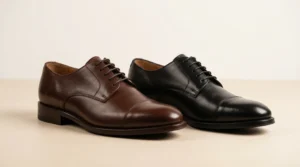
Office shoes are designed specifically for professional environments. They follow formal dress codes and focus on a polished, structured look.
Typical examples include:
- Oxfords
- Derbies
- Brogues
- Formal loafers
- Monk strap shoes
These shoes prioritize structure, elegance, and clean finishing.
What Are Casual Shoes?
Casual shoes are made for relaxed, everyday wear. They prioritize flexibility and comfort over strict design rules.
Common types include:
- Sneakers
- Slip-ons
- Casual loafers
- Canvas shoes
- Driving shoes
They offer more freedom in color, material, and construction.
Office Shoes vs Casual Shoes: Key Differences
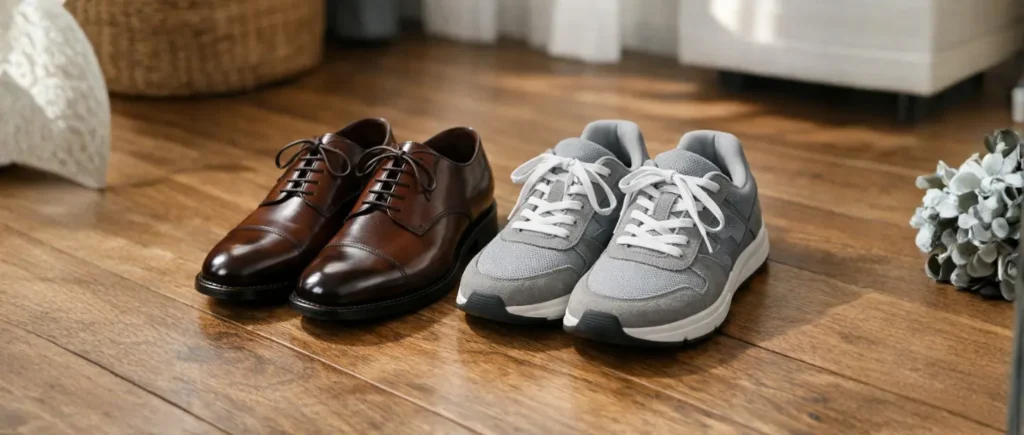
Now let’s clearly compare office shoes vs casual shoes in practical terms.
1. Design & Appearance
Office Shoes
- Sleek, minimal design
- Neutral colors (black, brown, tan)
- Closed lacing systems (in Oxfords)
- Structured silhouette
- Formal finish
Casual Shoes
- Relaxed styling
- Wide color range
- Chunky or sporty soles
- Textured fabrics
- Flexible construction
Real-world example:
If you’re attending a board meeting, polished leather Oxfords elevate your authority. Wearing chunky sneakers might look out of place unless you’re in a creative startup.
2. Materials Used
| Feature | Office Shoes | Casual Shoes |
|---|---|---|
| Upper Material | Genuine leather, patent leather | Canvas, suede, mesh, synthetic |
| Sole Type | Leather or slim rubber | Thick rubber, foam, EVA |
| Structure | Firm & structured | Flexible & soft |
| Finish | Glossy / polished | Matte / textured |
Office shoes often use full-grain or top-grain leather. This gives durability and a premium look.
Casual shoes use breathable materials like mesh or canvas, making them lighter.
3. Comfort Level
Comfort depends on usage.
Office Shoes
- Moderate cushioning
- More rigid sole
- Designed for formal posture
- Best for desk jobs or limited walking
Casual Shoes
- High cushioning
- Shock-absorbing midsoles
- Better for long walking
- Flexible movement
If your job requires standing for long hours, well-cushioned casual shoes might be better than stiff formal shoes.
However, modern office shoes now include memory foam insoles and lightweight soles to improve comfort.
4. Occasion & Use Case
Office Shoes Are Ideal For:
- Corporate meetings
- Formal workplaces
- Interviews
- Business events
- Client presentations
Casual Shoes Are Ideal For:
- Daily outings
- Travel
- Weekend wear
- Informal office settings
- Creative workplaces
Some modern offices allow “business casual,” where minimal sneakers or smart loafers are acceptable.
5. Durability Comparison
Office shoes made from genuine leather often last longer when maintained properly.
Casual shoes, especially mesh or canvas ones, may wear out faster if used daily.
Pro tip:
Rotate your shoes. Wearing the same pair daily reduces lifespan significantly.
6. Price Range Differences
Office shoes typically cost more due to:
- Leather quality
- Construction method
- Polishing & finishing
Casual shoes vary widely in pricing depending on brand and technology (sports shoes can be expensive too).
Pros and Cons
Office Shoes
Pros:
- Professional appearance
- Long-lasting (if leather)
- Adds authority and polish
- Suitable for formal dress codes
Cons:
- Less breathable
- Can feel stiff initially
- Not ideal for heavy physical activity
Casual Shoes
Pros:
- Comfortable
- Lightweight
- Breathable
- Stylish and versatile
Cons:
- Not suitable for formal meetings
- May lack structure
- Can wear out faster
Key Factors to Consider Before Buying
When deciding between office shoes vs casual shoes, ask yourself:
- What is your workplace dress code?
- How many hours do you stand or walk?
- Do you attend frequent meetings?
- Is comfort or appearance your priority?
- Do you need multi-purpose footwear?
Hybrid Option: Business Casual Shoes
Many brands now offer hybrid footwear:
- Formal-looking sneakers
- Smart loafers with cushioned soles
- Derby shoes with lightweight rubber outsoles
These combine professional style with casual comfort.
They’re perfect for:
- Startups
- IT companies
- Sales professionals
- Field executives
Common Mistakes People Make
- Buying only based on looks
- Ignoring sole cushioning
- Choosing wrong size for leather shoes
- Wearing sneakers to highly formal events
- Not maintaining leather properly
Leather shoes require conditioning and polishing. Casual shoes need regular cleaning.
How to Maintain Both Types
For Office Shoes:
- Use shoe trees
- Polish regularly
- Avoid water exposure
- Store in dust bags
For Casual Shoes:
- Clean soles weekly
- Wash laces
- Air dry properly
- Avoid machine washing premium sneakers
Which One Should You Choose?
There is no universal answer.
If you work in:
- Bank
- Government office
- Law firm
- Corporate environment
→ Office shoes are essential.
If you work in:
- Digital marketing
- Startup
- Creative field
- Remote setup
→ Casual or hybrid shoes may work better.
Many professionals keep both types in their wardrobe.
Frequently Asked Questions (FAQs)
1. Can I wear casual shoes in the office?
Yes, if your office allows business casual dress code. Avoid flashy sneakers in formal environments.
2. Are office shoes uncomfortable?
Traditional ones can feel stiff initially, but modern designs offer good cushioning.
3. Which lasts longer: office shoes or casual shoes?
High-quality leather office shoes usually last longer with proper care.
4. Can sneakers be formal?
Minimal white or black leather sneakers may suit business casual outfits, not strict formal meetings.
5. How many office shoes should I own?
At least two pairs to rotate and extend durability.
6. Are loafers office or casual shoes?
It depends. Formal leather loafers work for office; suede loafers lean casual.
7. Which is better for long working hours?
If standing all day, choose cushioned business casual shoes or comfort-focused formal shoes.
Final Thoughts
Understanding the difference between office shoes vs casual shoes helps you build a smarter footwear collection.
Office shoes deliver professionalism and authority. Casual shoes offer comfort and flexibility. Your job role, daily activity level, and dress code determine the right choice.
The smartest approach? Own both.
Invest in at least one premium formal pair and one comfortable casual pair. Rotate them, maintain them, and choose wisely based on occasion.
Good shoes don’t just protect your feet — they enhance your presence.