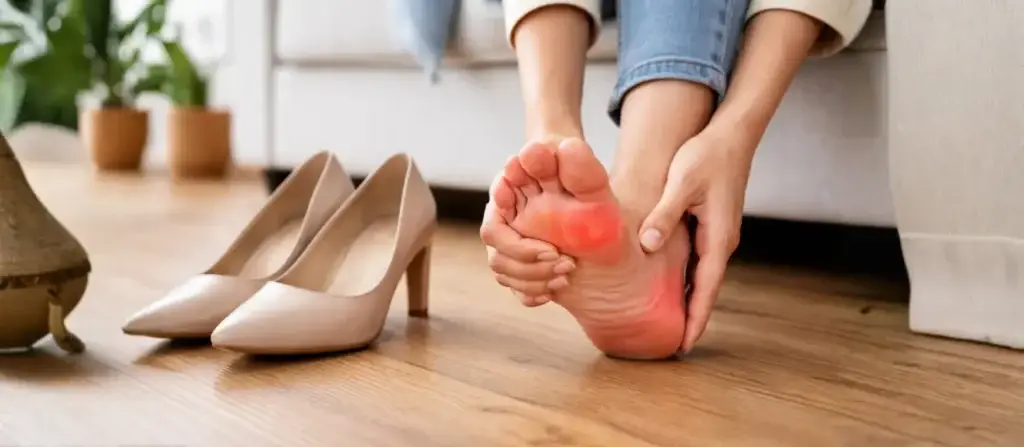
Foot pain caused by shoes is one of the most common yet ignored problems people deal with daily. Whether you’re wearing them for office wear, long hours on your feet, or casual outings, uncomfortable footwear can quickly turn into a serious issue. If you’ve ever wondered why do shoes hurt your feet, you’re not alone. The causes range from poor fit to bad material choices, and the fixes are often simpler than people think.
This guide breaks down the real reasons behind shoe-related foot pain and gives you practical, experience-based solutions to fix it.
Common Reasons Why Shoes Hurt Your Feet
Understanding the root cause is critical before you try to fix the problem. Most foot pain is not random. It’s a direct result of poor footwear decisions.
1. Incorrect Shoe Size
This is the biggest mistake people make.
- Shoes that are too tight cause pressure, blisters, and nerve pain
- Shoes that are too loose lead to friction and instability
- Feet naturally expand during the day, especially during long hours of use
Reality check: Your shoe size may not be constant across brands or styles.
2. Poor Arch Support
If your shoes lack proper foot support, your entire body pays for it.
- Flat soles strain your arches
- High arches without cushioning cause imbalance
- Leads to conditions like plantar fasciitis
For daily wear, especially in professions that involve standing, structured Casual Shoes with built-in support perform better than flat, cheap alternatives.
3. Low-Quality Materials
Material quality directly impacts comfort and durability.
- Synthetic materials reduce breathability
- Stiff leather without break-in causes friction
- Poor lining leads to sweating and odor buildup
Shoes should allow airflow and adapt to your foot shape over time.
4. Lack of Cushioning
Walking or standing on hard surfaces without cushioning puts stress on:
- Heel
- Ball of the foot
- Joints
Good cushioning absorbs impact and prevents long-term damage.
5. Narrow Toe Box
Many shoes prioritize style over function.
- Compresses toes unnaturally
- Leads to bunions and nail issues
- Causes constant pressure and discomfort
This is especially common in pointed Formal Shoes, which often sacrifice comfort for aesthetics.
6. Wrong Shoe Type for the Activity
Using the wrong shoe for the wrong purpose is a guaranteed way to damage your feet.
- Wearing dress shoes for long walking
- Using casual footwear in industrial settings
- Wearing open footwear in rough terrain
For example, Safety Shoes are specifically designed with protection, grip, and support for demanding environments.
7. Poor Sole Grip
Slippery or overly hard soles increase strain because your feet constantly compensate for lack of stability.
- Leads to muscle fatigue
- Increases risk of slips and injuries
Signs Your Shoes Are Damaging Your Feet
If you ignore these signs, the problem escalates.
- Persistent heel pain
- Blisters or calluses
- Toe numbness
- Arch pain
- Lower back discomfort
These are not minor inconveniences. They indicate structural stress.
Comparison Table: Good Shoes vs Bad Shoes
| Feature | Good Shoes | Bad Shoes |
|---|---|---|
| Fit | Snug but not tight | Too tight or too loose |
| Cushioning | Shock-absorbing | Hard and flat |
| Arch Support | Properly contoured | Completely flat |
| Breathability | Airflow-friendly material | Synthetic, sweaty |
| Toe Space | Natural toe movement | Compressed toe box |
| Durability | Long-lasting materials | Wears out quickly |
| Grip | Slip-resistant sole | Slippery or stiff sole |
Practical Fixes for Shoe-Related Foot Pain
Now to the part that matters. Fixing the issue requires action, not awareness.
1. Get Properly Measured
- Measure your feet in the evening
- Check both length and width
- Always try shoes with socks you actually wear
2. Choose the Right Category
Different situations require different footwear.
- Office wear: structured Formal Shoes
- Daily comfort: breathable Casual Shoes
- Rugged environments: durable Boots or Safety Shoes
- Easy wear: flexible Loafers
- Open comfort: breathable Sandals
Each serves a functional purpose. Ignoring that leads to pain.
3. Prioritize Cushioning and Support
Look for:
- Memory foam insoles
- EVA midsoles
- Shock absorption
Avoid completely flat footwear for extended wear.
4. Break in Your Shoes Properly
New shoes are not meant for immediate long use.
- Wear them for short durations initially
- Use thick socks to soften material
- Gradually increase usage
5. Use Insoles if Needed
If your shoe lacks support:
- Add arch-support insoles
- Use gel pads for heel pain
- Replace worn-out insoles regularly
6. Rotate Your Shoes
Wearing the same pair daily is a mistake.
- Materials need time to decompress
- Reduces moisture buildup
- Extends shoe lifespan
7. Focus on Breathability
Sweaty feet increase friction and discomfort.
- Choose mesh or genuine leather
- Avoid fully synthetic shoes for long hours
For warmer climates, Sandals can provide relief when appropriate.
Foot Health Considerations Most People Ignore
Ignoring foot health creates long-term damage.
Posture Impact
Bad shoes affect your:
- Knees
- Hips
- Spine
Foot alignment controls your entire posture chain.
Weight Distribution
Proper footwear evenly distributes body weight. Poor shoes create pressure points.
Long-Term Conditions
Ignoring discomfort can lead to:
- Plantar fasciitis
- Bunions
- Chronic heel pain
These are not temporary issues.
Common Buying Mistakes You Need to Stop
- Choosing style over comfort
- Ignoring fit for brand loyalty
- Buying without trying both shoes
- Not checking sole flexibility
- Wearing the wrong shoe type for the occasion
These are avoidable errors.
How to Choose the Right Shoes (Step-by-Step)
- Identify your usage
Office, casual, heavy-duty, or outdoor - Check fit and comfort immediately
No break-in should be painful - Evaluate cushioning and support
Press the sole and test flexibility - Inspect material quality
Breathable, durable, adaptable - Walk before buying
Static fit is not enough
FAQs
1. Why do new shoes hurt even if they fit?
Because materials are stiff and need time to adapt. Poor-quality shoes never fully adjust.
2. Can shoe size change over time?
Yes. Age, weight, and lifestyle affect foot shape and size.
3. Are expensive shoes always better?
No. Price does not guarantee comfort. Construction and fit matter more.
4. How long should shoes last?
For daily wear, 6–12 months depending on usage and material quality.
5. Is it okay to wear flat shoes every day?
No. Lack of support leads to long-term foot issues.
6. What’s the best shoe type for long hours?
Shoes with cushioning, arch support, and breathable material. Typically structured Casual Shoes or supportive work footwear.
7. Can insoles completely fix bad shoes?
No. They help, but they cannot compensate for fundamentally poor design.
Conclusion
If your shoes hurt your feet, the problem is not mysterious. It’s a direct result of poor fit, bad materials, or wrong usage. Most people tolerate discomfort instead of fixing the root cause. That’s a mistake.
The solution is straightforward:
- Choose the right shoe for the right purpose
- Prioritize comfort and support over appearance
- Stop ignoring early warning signs
Once you correct these factors, foot pain reduces drastically, and daily comfort improves.